Straight answers about which trades Rolloff Industries staffs, how projects are scoped and documented, and what credentials our crews carry onto your site.
What services does Rolloff Industries provide?
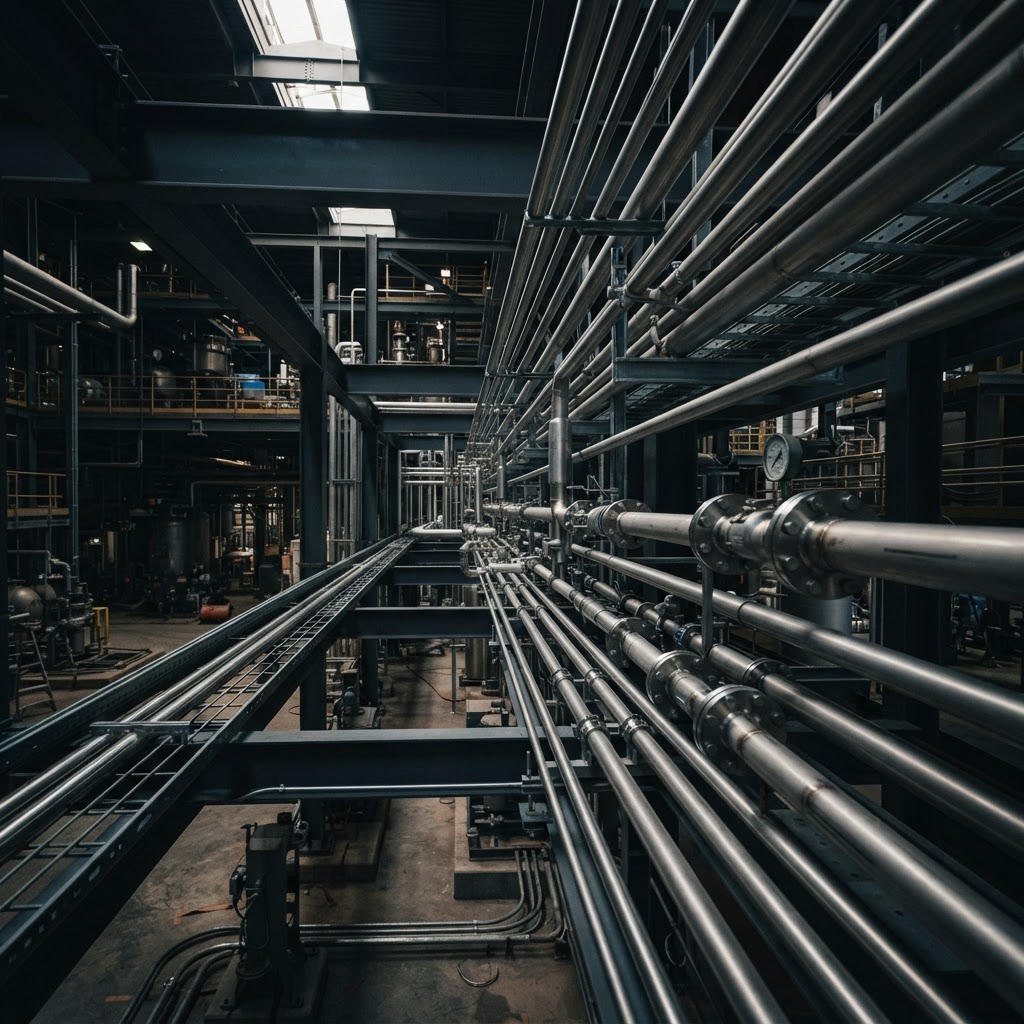
Rolloff Industries is a plant and commercial services contractor. We provide industrial welding and structural steel repair, process piping and pipefitting, fire sprinkler systems, electrical and life-safety power, fire alarm installation and service, clean agent and kitchen suppression, NFPA 25 water-based inspections, fire alarm and suppression certifications, and supervised crew management.
Does Rolloff Industries work inside operating plants?
Yes. Our crews are staffed and credentialed for work inside operating refineries, chemical plants and manufacturing facilities, including turnarounds, unit outages and shutdown work on day or night shifts.
Does Rolloff Industries do fire alarm installation?
Yes. We install and service addressable and conventional fire alarm systems — device installation, panel programming, troubleshooting, testing and certification for plants and commercial buildings.
Do you install and inspect fire sprinkler systems?
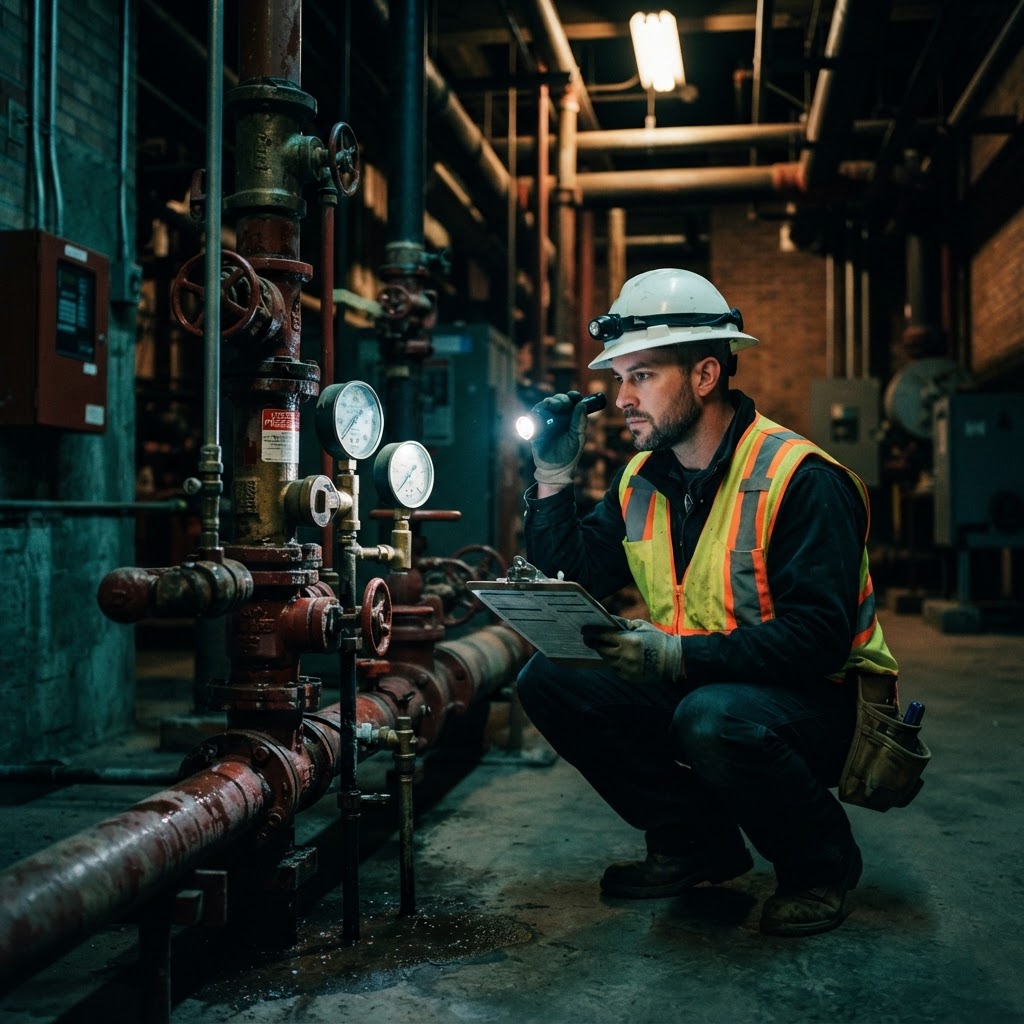
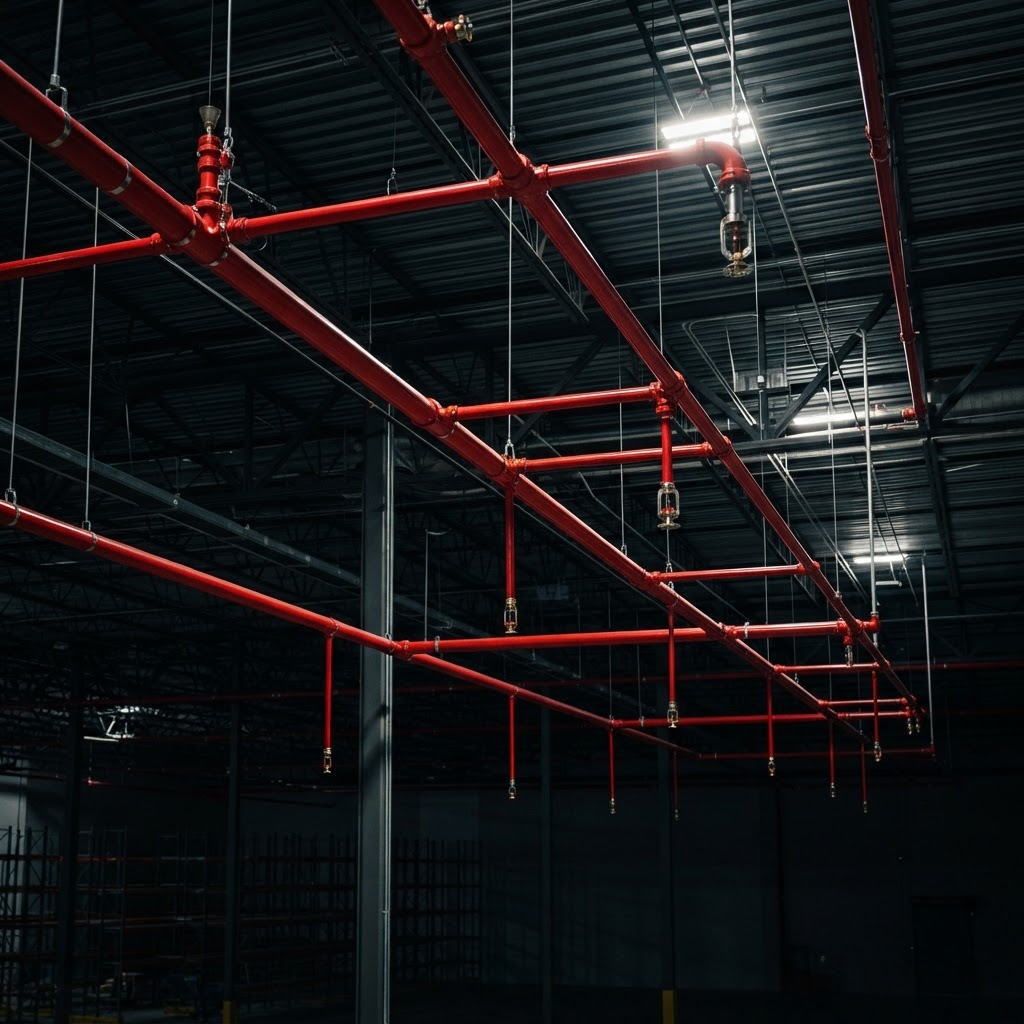
Yes. We install, repair and retrofit wet, dry and pre-action sprinkler systems, and we perform NFPA 25 inspection and testing of water-based systems with written deficiency reports.
What commercial services do you offer?
For commercial clients we handle mechanical room build-outs, process and utility piping, sprinkler installation, electrical and conduit work, fire alarm and suppression systems, kitchen suppression, and ongoing inspection programs.
Are your workers credentialed for plant access?
Yes. Every field employee carries a trade title and tracked credentials — TWIC, OSHA 10 or 30, First Aid and CPR, NFPA and state licenses — verified by a supervisor with expiration dates monitored so no one is dispatched on an expired card.
How does Rolloff Industries scope a project?
A supervisor reviews your drawings or site plans and builds a work package for the specific trades required. The package lists step-by-step scope, the assigned crew and the safety requirements, and it is signed off on site as the work is completed.
How is safety documented on a job?
Each work package carries safety guidelines for the trade being performed, is signed by the crew on site, and closes with a completion record and an injury report confirming whether anyone was hurt.
How fast can crews mobilize to a site?
Routine scheduled work is typically staffed within a few business days. Outage, turnaround and emergency call-outs are staffed from our dispatch board as soon as credentialed crews are confirmed available for that site.
Where does Rolloff Industries work?
We serve plants and commercial facilities across Texas, Oklahoma, Louisiana and Arkansas, including the Houston Gulf Coast industrial corridor, Dallas–Fort Worth, San Antonio, Oklahoma City, New Orleans, Baton Rouge and Little Rock.
How do I request a quote for plant or commercial work?
Send your site location, the trades you need and your drawings or photos through our quote request form. A supervisor reviews the scope and returns a written proposal for the work.