How-to

Guides from the field.

How our supervisors and technicians actually approach the calls we get asked about most. The videos are being filmed now — every step is written out below so you can use it today.

How to assess process pipe corrosion before an outage
VIDEO COMING SOON
5 min

How to assess process pipe corrosion before an outage

What our pipefitters look for when deciding whether a run of process pipe gets repaired or replaced.

  1. 1Walk the run — Follow the line end to end and mark every support, elbow and low point where corrosion collects.
  2. 2Check wall thickness — Take ultrasonic readings at the marked points and compare them to the minimum wall for the service.
  3. 3Look at the supports — Contact points under clamps and shoes corrode first and hide the worst loss.
  4. 4Photograph and log each point — One wide shot of the run plus a close-up and reading at every suspect location.
  5. 5Decide repair or replace — Localized loss gets a spool replacement; general thinning across the run means replacing the line.

How to schedule an NFPA 25 inspection
VIDEO COMING SOON
4 min

How to schedule an NFPA 25 inspection

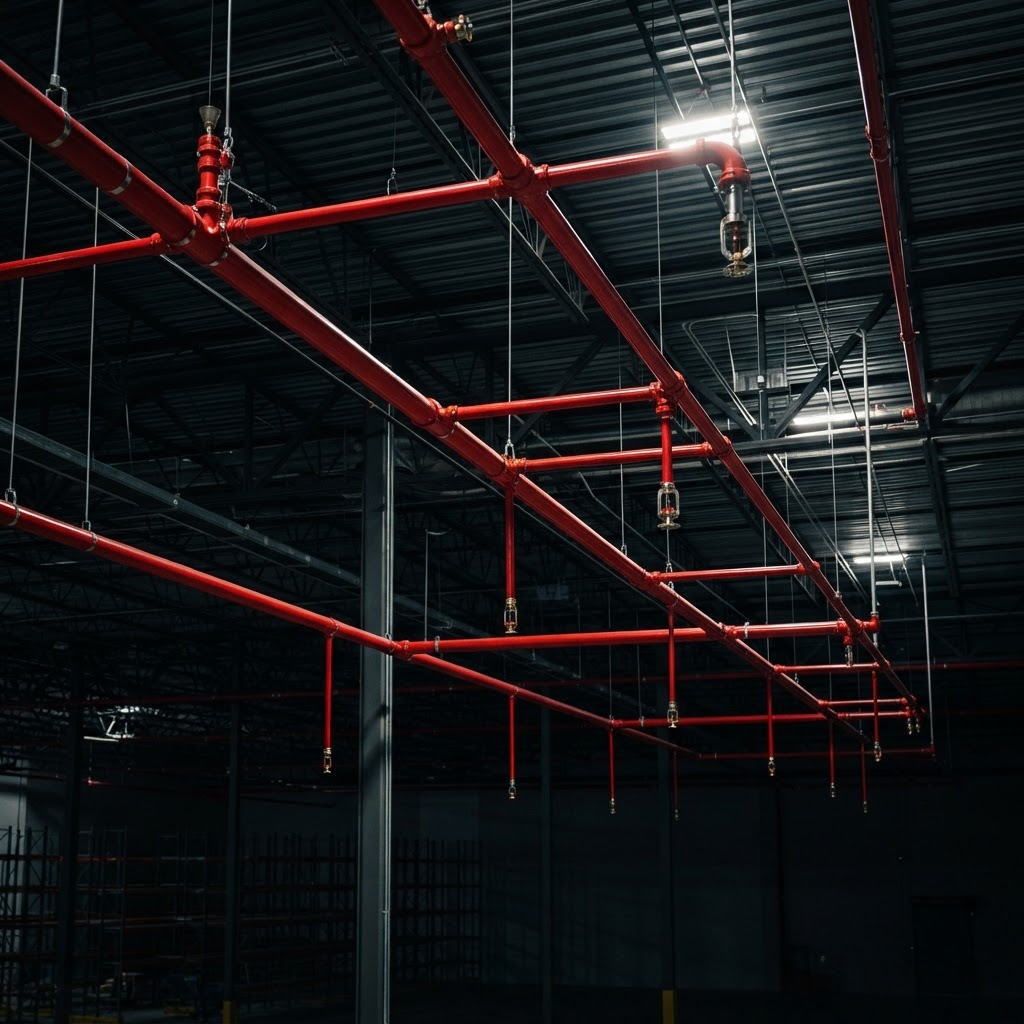
What to have ready so a water-based inspection goes in one visit and your report satisfies the AHJ.

  1. 1Confirm what you have — List each system by type — wet, dry, pre-action — and note the number of risers and buildings.
  2. 2Pull the last report — Prior deficiencies tell the inspector what to re-check first.
  3. 3Plan water flow — Identify drain points and confirm anyone downstream of a flow test is notified.
  4. 4Clear access — Risers, valves, FDCs and inspector's test connections all need to be reachable on the day.
  5. 5Book the visit — Send the system list and site contact and we schedule the inspection and issue the report.
How to plan a sprinkler retrofit in an occupied building
VIDEO COMING SOON
6 min

How to plan a sprinkler retrofit in an occupied building

How to phase new sprinkler mains and heads into a working plant or warehouse without shutting it down.

  1. 1Define the hazard — Occupancy and storage height set the density and head spacing the retrofit has to meet.
  2. 2Verify the water supply — Flow test the supply before design so the main sizing is based on real numbers.
  3. 3Break the building into zones — Phase the work so only one zone is out of service at a time.
  4. 4Coordinate the other trades — Route mains with the electrical, duct and piping already overhead to avoid rework.
  5. 5Test and certify each phase — Hydro test, inspect and sign off each zone before moving to the next.

Need this work scoped on your site?

Request a project quote